


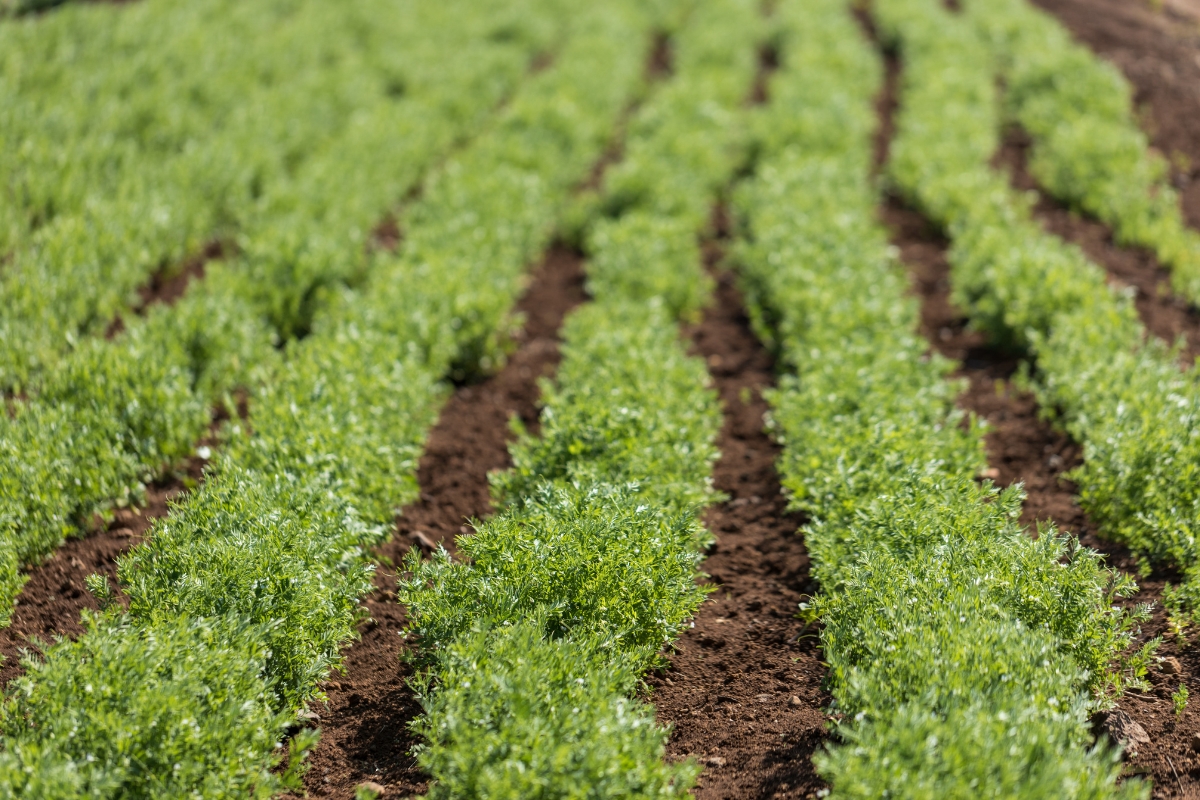
Fields that remain unused after the paddy harvest are now part of the Centre’s focus for the rabi season. The government has launched Khet Bachao Abhiyan-Rabi 2026, asking farmers to bring fallow land into production through pulses, oilseeds and horticultural crops.
The 40-day campaign began on October 22 and will continue until November 30. It aims to promote crop diversification, better soil management and more efficient use of water and agricultural inputs. Farmers will receive guidance through Kisan Chaupals, training sessions and field demonstrations.
The focus on paddy fallows comes as the government looks to increase the area under rabi crops without requiring farmers to bring new land into cultivation. Using the period between two major crops can give farmers another harvest while improving the use of existing farmland.
The campaign will encourage farmers to grow pulses and oilseeds after paddy wherever local soil, water and weather conditions allow. Crops such as chickpea, lentil, mustard and other suitable rabi crops can help diversify farms that depend heavily on rice and wheat.
Crop diversification can also spread farm risk. When farmers depend on one or two crops, changes in rainfall, temperature, pests or market prices can have a larger effect on income. Adding pulses, oilseeds or horticultural crops gives farmers more production options.
The government is also promoting intercropping with suitable crops and varieties. Such practices can help farmers make better use of available land and resources, while giving them alternatives to a single-crop system.
Why rice fallows matter
Many farmers leave fields unused after paddy because the next crop requires irrigation, labour or suitable soil moisture. In some areas, the window between the paddy harvest and the next monsoon is also too short for conventional cultivation.
Where residual moisture remains after rice, farmers may be able to establish suitable pulses or oilseeds without the same level of irrigation required for some other crops. The success of this approach depends on the crop, soil moisture, sowing time and local climate.
Bringing these fields under cultivation can also increase the production of pulses and oilseeds without expanding the cultivated area. This is important as India continues to seek higher domestic production of crops that contribute to food and nutritional security.
The government is not asking farmers to simply increase cultivation. The campaign also stresses soil testing and balanced fertiliser use. Farmers are being encouraged to apply nutrients according to soil requirements instead of using fertilisers without testing.
This can help farmers control input costs. Excess fertiliser does not necessarily produce higher yields and can affect soil and water when applied incorrectly. Soil testing gives farmers information about nutrient availability before they decide what their crops require.
The campaign will also promote crop residue management. Farmers are being encouraged to avoid burning residues and explore ways of incorporating or managing them within farming systems. This can return organic material to the soil while reducing smoke and air pollution from field burning.
Water will decide what works
The success of rabi cultivation in former paddy fields will depend heavily on water. Farmers need to select crops according to available moisture and irrigation rather than simply following a national recommendation.
The campaign also promotes rainwater harvesting, groundwater recharge and better water-use efficiency. These measures are important for farmers facing irregular rainfall and increasing pressure on groundwater resources.
Climate conditions can make the rabi window harder to predict. Delayed rainfall, warmer temperatures or an early rise in heat can affect germination and crop growth. Farmers therefore need locally suitable sowing dates and varieties rather than treating every paddy fallow field in the same way.
More than 4,150 teams involving Krishi Vigyan Kendras and ATMA are expected to support the campaign. The government says more than 12,000 scientists and ATMA functionaries will take part in farmer meetings, training programmes and field demonstrations.
The campaign aims to reach about one crore participants. ICAR institutes, state agriculture departments, agricultural universities, Farmer Producer Organisations and cooperatives will also be involved.
For farmers, the useful part will be the field-level guidance. Before planting a second crop after paddy, farmers need to know whether their soil has enough moisture, which variety fits the area, when to sow and what inputs will be required.
Using paddy fallow land can give farmers another production opportunity without expanding farmland. The approach will not work everywhere, but where soil moisture, irrigation and crop choice are suitable, pulses and oilseeds can turn an unused period into another rabi harvest.
Also Read: Punarnava Jal – The world’s first organic fertilizer! Know how it is beneficial for farmers?
Contact us – If farmers want to share any valuable information or experiences related to farming, they can connect with us via phone or whatsapp at 9599273766 or you can write to us at “kisanofindia.mail@gmail.com”. Through Kisan of India, we will convey your message to the people, because we believe that if the farmers are advanced then the country is happy.
You can connect with Kisan of India on Facebook, Twitter, and Whatsapp and Subscribe to our YouTube channel.