

Natural Farming Gets Fresh Push in Rabi Season: What Farmers Can Gain From Bio-Inputs

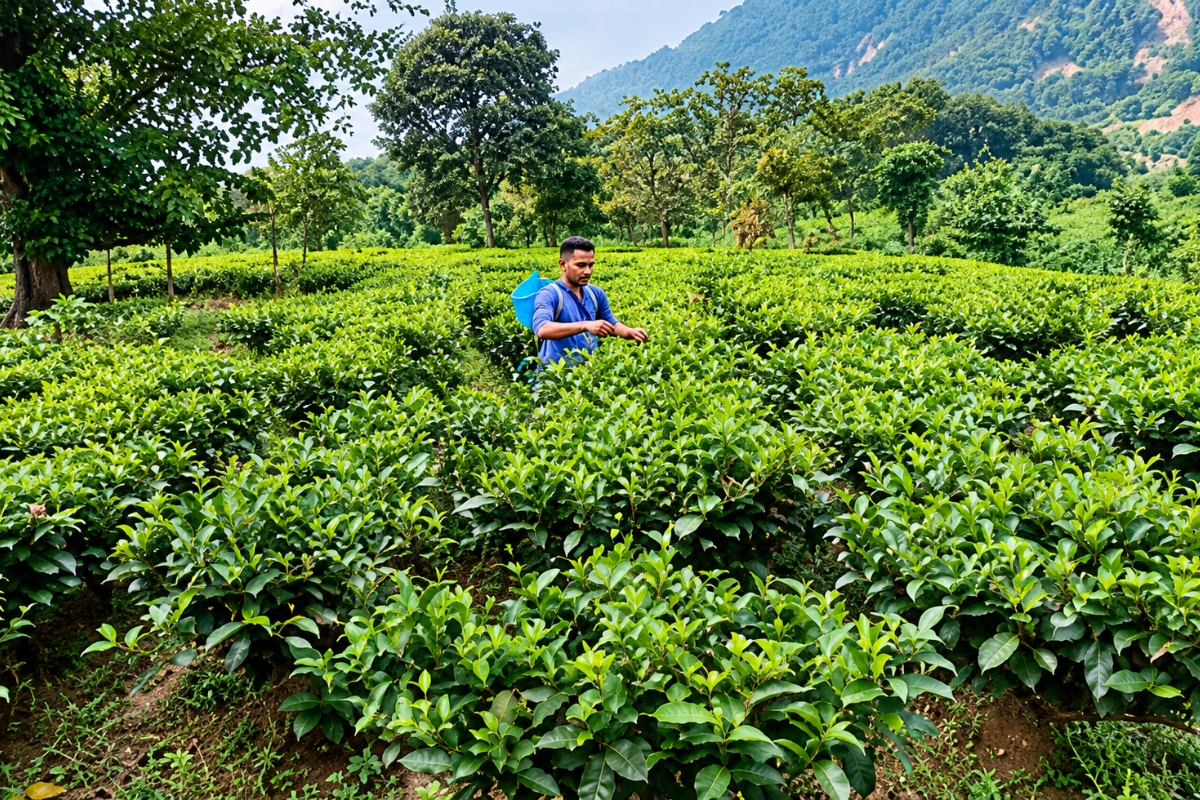
As farmers prepare fields for the rabi season, the government has started a nationwide campaign to promote balanced fertiliser use, natural farming and better soil management. The Khet Bachao Abhiyan 2026 will continue until November 30, with training and field demonstrations for farmers.
The campaign began on October 22 and focuses on reducing excessive use of agricultural inputs. Farmers will receive guidance on soil testing, crop diversification, organic and bio-based products, water conservation and crop residue management. The programme will involve agriculture departments, Krishi Vigyan Kendras, ICAR institutes and farmer groups.
For farmers, the focus comes at an important time. Rabi crops such as wheat, mustard, chickpea and other pulses require careful nutrient management. Applying fertilisers according to soil requirements can help farmers avoid unnecessary input costs while maintaining crop productivity.
Bio-inputs can reduce dependence on chemicals
Natural farming relies on farm-made or locally available inputs such as Jeevamrit and Beejamrit instead of depending heavily on synthetic fertilisers and pesticides. The National Mission on Natural Farming also supports Bio-input Resource Centres where farmers can access inputs and technical guidance.
The government says the National Mission on Natural Farming had formed 18,786 clusters covering 8.80 lakh hectares and enrolled 18.19 lakh farmers as of March 2026. More than 33,000 Community Resource Persons had also been trained to support farmers adopting natural farming practices.
Natural farming does not mean simply stopping fertilisers overnight. Farmers need to understand their soil, crop requirements and available organic resources before changing practices. ICAR research programmes are studying natural farming across different states and cropping systems to develop suitable practices for local conditions.
Farmers interested in certified organic farming can receive support under Paramparagat Krishi Vikas Yojana. The scheme provides ₹31,500 per hectare over three years for organic farming, including support for organic inputs, certification and other activities.
The government says PKVY has brought 18.93 lakh hectares under organic farming and benefited 33.63 lakh farmers. In the Northeast, the Mission Organic Value Chain Development supports organic farming through production, processing, certification and marketing.
For a farmer, access to markets remains as important as reducing chemical inputs. Organic produce needs certification and reliable buyers if farmers are to receive better prices. Farmer Producer Organisations can help small farmers combine production, processing, packaging and marketing.
Soil health matters for future crops
Repeated use of fertilisers without considering soil requirements can affect soil health over time. The new campaign therefore places soil testing and balanced nutrient application at the centre of its message. Farmers are also being encouraged to use organic manures, biofertilisers and crop diversification.
Climate change makes this issue more important. Irregular rainfall, rising temperatures and water stress can put additional pressure on crops. Farming practices that improve soil organic matter and water retention can help fields cope better with periods of stress.
Farmers can also use crop residues more carefully instead of burning them. The campaign promotes residue management, intercropping, pulses and better use of rice fallows. These practices can improve nutrient cycling while giving farmers more options for using land between major cropping seasons.
Farmers can begin with a soil test before deciding how much fertiliser their crop needs. They can also ask their local KVK or agriculture department about suitable biofertilisers, organic inputs and natural farming demonstrations available in their area.
The Khet Bachao Abhiyan will also cover Farmer IDs, crop insurance and Kisan Credit Card access. This gives farmers an opportunity to check several support systems while preparing for rabi crops instead of treating soil and farm finance as separate concerns.
The shift towards natural and organic farming will depend on what works for each crop and region. Farmers need practical field evidence, suitable inputs and access to markets. The current campaign gives them a chance to learn these practices before deciding which ones can work on their own farms.
Also Read: Punarnava Jal – The world’s first organic fertilizer! Know how it is beneficial for farmers?
Contact us – If farmers want to share any valuable information or experiences related to farming, they can connect with us via phone or whatsapp at 9599273766 or you can write to us at “kisanofindia.mail@gmail.com”. Through Kisan of India, we will convey your message to the people, because we believe that if the farmers are advanced then the country is happy.
You can connect with Kisan of India on Facebook, Twitter, and Whatsapp and Subscribe to our YouTube channel.
