

Biochar in Farming: Can Farm Waste Be Turned Into a Soil Improvement Tool?

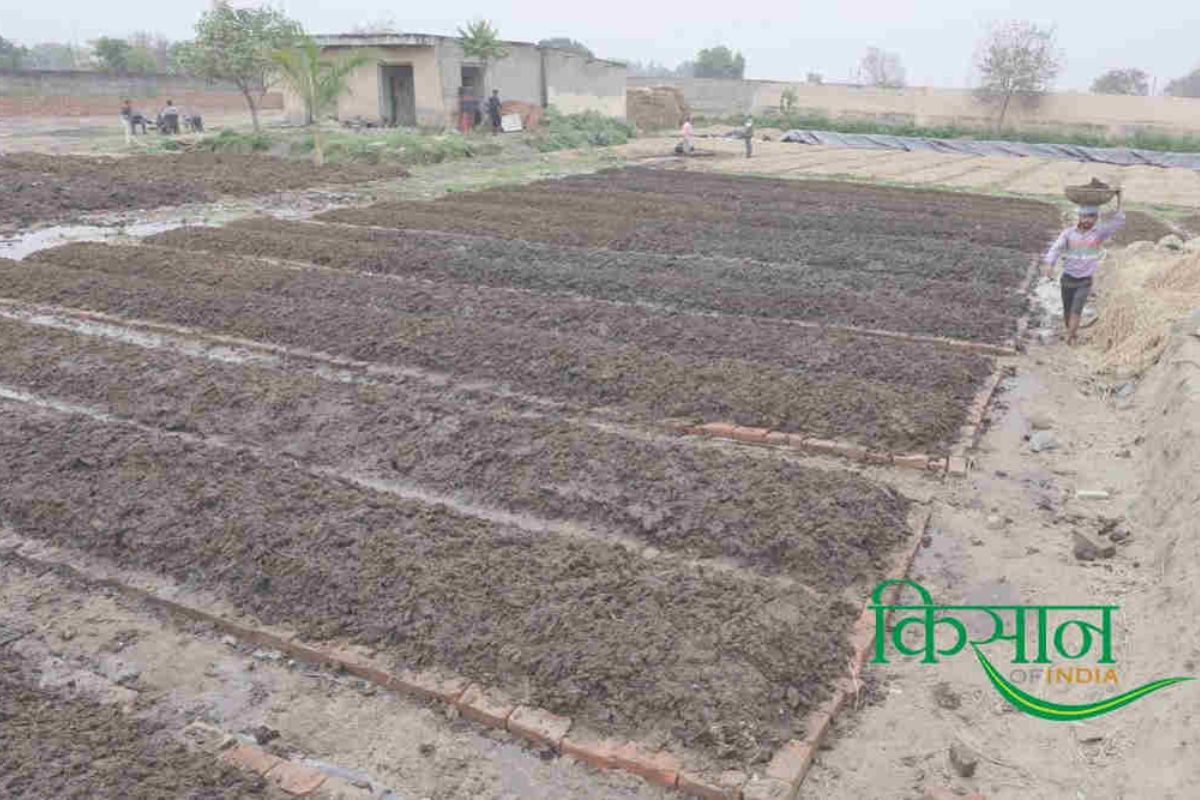
Agricultural residues are often treated as waste after harvest, but some materials can be converted into biochar and used as a soil amendment. Biochar is a carbon-rich material produced by heating biomass under limited oxygen. Researchers are studying its potential to improve soil properties and recycle farm residues.
Biochar is different from ordinary ash or incompletely burned crop residue. Its properties depend on the raw material, production temperature and processing method. This means farmers cannot assume that every charcoal-like material is suitable for application to agricultural soil.
For farmers, the interest comes from two sides. Crop residues can be converted into a potentially useful soil input, while some carbon remains in a relatively stable form after the biomass is processed.
What Is Biochar?
Biochar is produced through a process called pyrolysis, in which biomass is heated with little or no oxygen. Materials such as crop residues, woody biomass and other suitable plant material can be used as feedstock.
The resulting material contains carbon and can have a porous structure. When added to soil, these properties can influence water retention, nutrient movement, microbial activity and other soil characteristics.
But biochar does not work in the same way in every soil. Sandy, acidic, alkaline, degraded and high-organic-matter soils can respond differently. The feedstock and production method also affect the final product.
ICAR research has examined biochar as part of soil-health and carbon-management approaches. Agricultural research institutions are also studying ways to convert crop residues into useful products instead of leaving them unused or burning them.
Farmers should therefore view biochar as a soil amendment that needs to match local soil conditions. It should not be treated as a universal replacement for compost, manure or fertiliser.
Can Biochar Improve Soil?
Research has found that biochar can influence several soil properties, including water-holding capacity, nutrient retention and soil structure. The effect can be more noticeable in degraded or low-organic-matter soils, although results vary between crops and locations.
One reason is its porous structure. Depending on the type of biochar, pores can hold water and provide surfaces where nutrients and microorganisms interact. This may help improve the soil environment around plant roots.
Biochar can also contribute to longer-term carbon storage because some of the carbon in the original biomass becomes more resistant to rapid decomposition during pyrolysis.
That does not mean farmers should apply large quantities automatically. More biochar is not necessarily better. Application rates should be based on research, soil conditions and the characteristics of the material being used.
Farmers should ideally test their soil first. If soil already has good organic matter and suitable nutrient levels, adding a poorly characterised amendment may provide little benefit and could create unwanted changes in soil properties.
Can Farm Waste Become Useful?
Biochar can provide another pathway for agricultural residues. Instead of burning some residues openly, farmers or local enterprises can potentially process suitable biomass under controlled conditions.
This can be particularly relevant where crop residues are abundant. Rice husk, maize residues, woody material and other biomass can be evaluated as potential feedstocks, although not every residue is suitable for every production system.
The process must be controlled. Burning crop residues in the open is not the same as producing biochar. Uncontrolled burning can release smoke and pollutants, while proper pyrolysis requires suitable equipment and operating conditions.
For small farmers, producing biochar individually may not always be economical. Community-level units, farmer groups or local enterprises could potentially process residues more efficiently when enough biomass is available.
Farmers should also consider the value of the residue itself. Straw may have uses as animal feed, bedding, compost material or mulch. Biochar should be considered only after comparing these alternatives.
What About Climate Change?
Biochar is receiving attention because some of its carbon can remain in soil for longer periods than carbon in untreated plant residues. This has led researchers to examine its potential role in carbon management and climate-smart agriculture.
But farmers should be cautious about claims of guaranteed carbon-credit income from biochar. Carbon benefits depend on how the material is produced, measured and verified. A farmer should not assume that applying biochar automatically creates a tradable carbon credit.
Biochar can also support climate resilience indirectly when it improves soil water retention or nutrient management under suitable conditions. This could be useful in farms facing irregular rainfall or declining soil quality.
The actual benefit depends on local conditions. Farmers should evaluate whether biochar improves crop performance and soil properties rather than adopting it simply because it is described as a climate solution.
How Should Farmers Use Biochar?
Farmers interested in biochar should first identify the source and production method. They should avoid using material made from painted, treated or contaminated waste because unwanted substances can remain in the final product.
The biochar should also be properly processed and stored. Agricultural experts can advise on suitable application rates and whether the material should be combined with compost, manure or other organic inputs before application.
A small field trial is the safest starting point. Farmers can compare a treated area with an untreated area and monitor crop growth, soil moisture and yield. Soil testing before and after the trial can provide additional evidence.
Biochar is not a magic input. Its value comes from using the right material, at the right rate, in the right soil. When produced safely from suitable biomass, it may provide farmers with another way to manage residues while improving soil conditions.
Also Read: Punarnava Jal – The world’s first organic fertilizer! Know how it is beneficial for farmers?
Contact us – If farmers want to share any valuable information or experiences related to farming, they can connect with us via phone or whatsapp at 9599273766 or you can write to us at “kisanofindia.mail@gmail.com”. Through Kisan of India, we will convey your message to the people, because we believe that if the farmers are advanced then the country is happy.
You can connect with Kisan of India on Facebook, Twitter, and Whatsapp and Subscribe to our YouTube channel.