


Can Mulching Save Water and Protect Crops? What Should Farmers Know Before Using It?

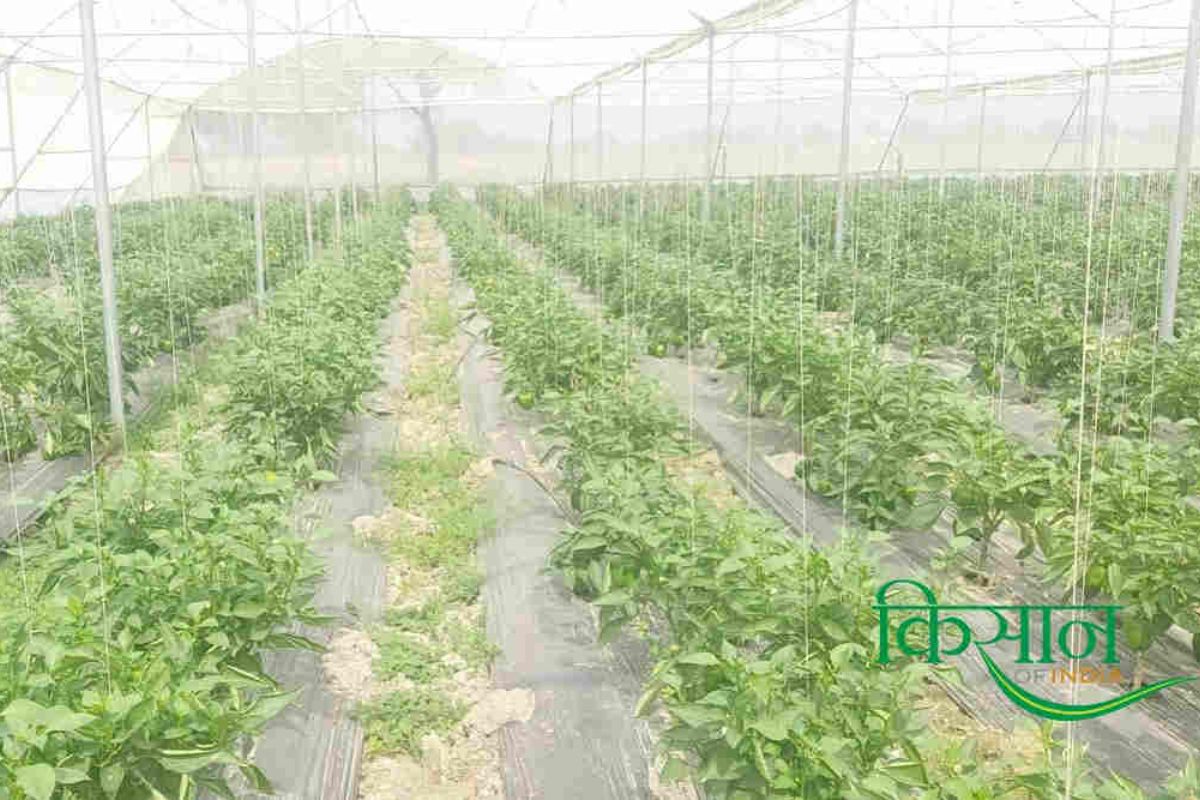
A farmer does not need to look far to find material that can protect the soil. Straw, leaves, grass and other plant residues can form a layer over bare soil. This simple practice is called mulching, and it can help farmers manage moisture, weeds and soil temperature.
Mulching is not a new farming practice. Farmers have used plant material to cover soil for generations. What has changed is the growing interest in using mulch to reduce water loss and improve soil management, especially where irrigation water is limited.
What does mulch do?
Mulch creates a protective layer between the soil surface and the atmosphere. This layer can reduce direct exposure to sunlight and slow the loss of water from the soil through evaporation.
The effect depends on the material, thickness, weather, soil type and crop. A suitable mulch layer can help maintain moisture around plant roots for longer, but it cannot replace irrigation when a crop needs more water.
Organic mulch can also reduce the growth of weeds by limiting the amount of light reaching weed seeds and young plants. Fewer weeds can mean less competition for water, nutrients and space.
Over time, plant-based mulch can break down and add organic material to the soil. The speed of decomposition depends on the type of material and local conditions.
Farmers can use materials such as straw, dry leaves, grass clippings and suitable crop residues. The material should be reasonably clean and free from contaminants that could harm the soil or crop.
Crop residues can be useful because they are already available on many farms after harvest. Using suitable residues as mulch can reduce the need to transport another material to the field.
But farmers should consider whether the residue has another important use. Some residues are needed for livestock feed, composting or other farm activities. Removing all available biomass for mulching may not suit every farm.
Farmers should also avoid materials that contain weed seeds or are contaminated with chemicals or disease-causing material. Poor-quality mulch can introduce new problems instead of solving existing ones.
Can mulch reduce irrigation needs?
Mulching can reduce water loss from the soil, which may help crops retain moisture between irrigation events. Research and agricultural extension programmes have reported benefits from mulching in several crops and growing conditions.
The amount of water saved will not be the same everywhere. Sandy soils, hot weather, rainfall, crop canopy and the type of mulch all affect evaporation and soil moisture.
Farmers should therefore avoid treating mulch as a fixed water-saving percentage. Instead, they can monitor soil moisture and crop condition before deciding whether irrigation intervals can safely be extended.
Mulching can work alongside other water-management practices. Drip irrigation, proper irrigation timing and soil-moisture monitoring can help farmers use available water more carefully.
Weeds compete directly with crops. They use water and nutrients and can interfere with harvesting. A layer of suitable mulch can reduce weed emergence by blocking light at the soil surface.
The thickness of the mulch matters. A very thin layer may not provide enough coverage, while an excessively thick or wet layer can create other problems around the plant.
Farmers should keep mulch slightly away from the plant stem where appropriate. Direct contact between wet organic material and the stem can create conditions that favour some diseases.
Mulching should also be combined with early weed control. Applying mulch after weeds have already become established may not provide the same benefit as controlling existing weeds before applying the covering material.
Can mulch improve soil health?
Organic mulch gradually decomposes and can contribute organic matter to the soil. This can support soil structure and biological activity when combined with other good soil-management practices.
The benefit does not appear immediately. Different materials break down at different rates, and their effect depends on soil conditions, climate and how much material is applied.
Mulch can also reduce the direct impact of raindrops on bare soil. This can help limit soil surface disturbance and erosion during heavy rainfall.
For farmers, the main point is that mulch works as part of a wider soil-management system. It should not be treated as a single solution for declining soil fertility.
Yes. Poorly selected or badly managed mulch can create problems. Wet organic material placed too close to plant stems can increase disease risk, while contaminated residues can introduce unwanted substances or weed seeds.
Some residues may also contain compounds that affect germination or early plant growth. Farmers should be careful when using unfamiliar plant material and seek local agricultural advice when its suitability is uncertain.
Pests can also use thick organic layers as shelter. This does not mean farmers should avoid mulch, but they should inspect the field regularly and respond if pest populations increase.
Mulch can also interfere with some farm machinery. Farmers should consider how the material will affect planting, weeding and harvesting before applying large quantities.
Which crops can benefit?
Mulching is used across different crop systems, including vegetables, fruits and field crops. The most suitable material and method depend on the crop and production system.
Vegetable growers can use organic materials to protect soil around plants. Fruit growers can place suitable mulch around the root zone while keeping it away from the trunk.
Farmers growing crops under rainfed conditions may also consider mulch as part of a broader moisture-conservation strategy. Its value can be greater when rainfall is irregular and the soil needs to retain water between rain events.
Farmers should follow crop-specific recommendations from Krishi Vigyan Kendras and agricultural universities because mulch requirements differ between crops.
How should farmers start?
Farmers who have not used mulch before can begin on a small part of the field. This allows them to compare soil moisture, weed growth and crop condition with an untreated area.
The material should be dry and reasonably clean. Farmers should spread it evenly rather than creating large piles around individual plants.
The mulch layer should be thick enough to cover the soil but should not bury the plant or touch sensitive stems and trunks. The exact thickness should depend on the material and crop.
Farmers should also keep records. Note the material used, quantity, application date, irrigation frequency and weed pressure. Comparing these observations over a season can show whether mulching is useful on that particular farm.
Mulching does not require expensive machinery in every farming system. Farmers can use locally available plant material when it is suitable and safe. The main cost may come from collecting, transporting and spreading the material.
For small farmers, the best mulch may already be available after harvest. But before using it, they should ask whether the residue is clean, whether it has another important use and whether it suits the crop.
The practice is simple, but its success depends on how it is used. Mulch can help protect soil, retain moisture and suppress weeds, but farmers still need to monitor water, pests and crop health.
The question is not simply whether mulch works. It is whether the right material, applied at the right time and in the right amount, can solve a problem on your farm.
Also Read: Punarnava Jal – The world’s first organic fertilizer! Know how it is beneficial for farmers?
Contact us – If farmers want to share any valuable information or experiences related to farming, they can connect with us via phone or whatsapp at 9599273766 or you can write to us at “kisanofindia.mail@gmail.com”. Through Kisan of India, we will convey your message to the people, because we believe that if the farmers are advanced then the country is happy.
You can connect with Kisan of India on Facebook, Twitter, and Whatsapp and Subscribe to our YouTube channel.