


How Organic Compost Helps Improve Soil Fertility Naturally

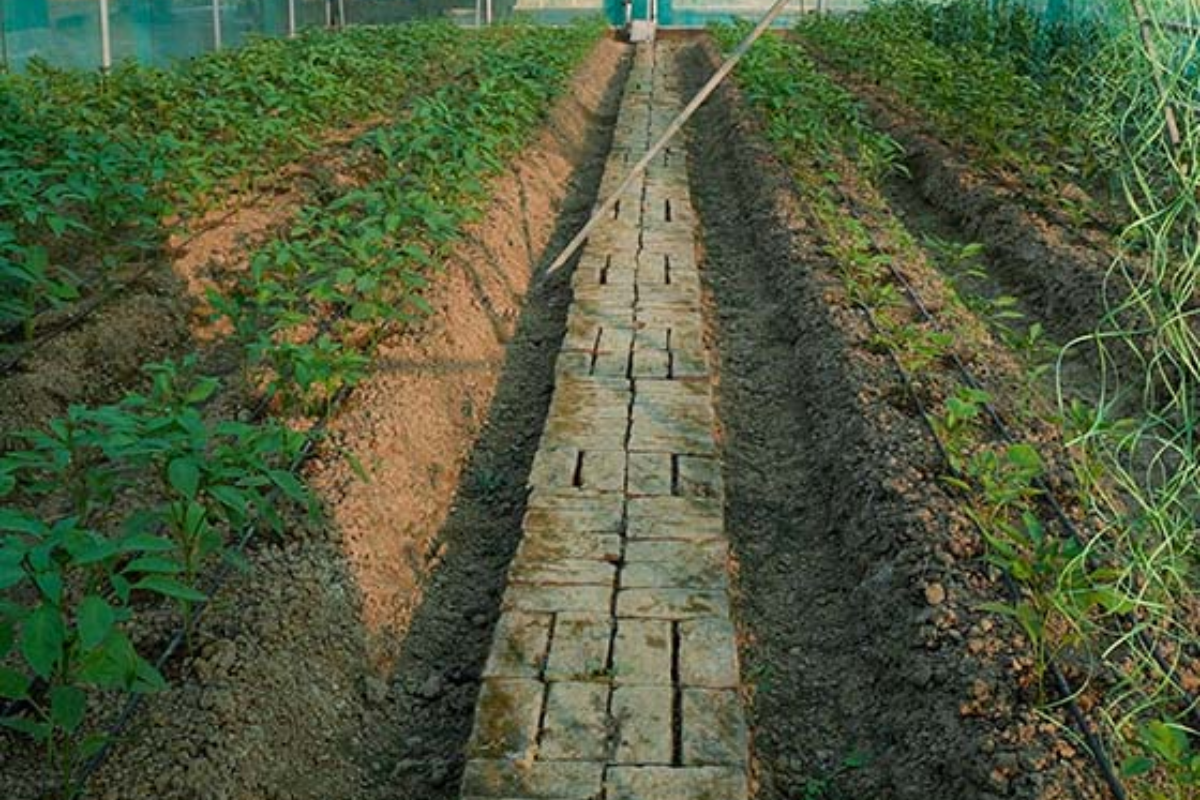
Healthy soil is one of the most important parts of successful farming. Crops grow better when soil contains enough nutrients, moisture, and organic matter. Many farmers face declining soil quality after years of heavy chemical fertilizer use. Agriculture experts say poor soil health often reduces productivity and increases farming costs. Because of this, many growers are now returning to organic compost and natural soil improvement methods.
Organic compost is prepared from farm waste, dry leaves, crop residue, kitchen waste, and animal manure. When added to fields, compost improves soil texture and increases moisture retention. Experts say healthy soil holds water more effectively during dry weather conditions. Compost also supports root growth and improves natural biological activity inside the soil. Farmers using compost regularly often notice better crop growth after a few seasons.
Compost Reduces Chemical Dependence
Many farmers spend large amounts of money on chemical fertilizers every year. Organic compost helps reduce dependence on external farm inputs gradually. Agriculture experts say compost releases nutrients slowly and supports long-term soil fertility naturally. Farmers who combine compost with balanced fertilizer use often reduce farming expenses over time. Some growers also report lower pest and disease pressure after improving soil condition.
Organic compost allows farmers to use farm waste instead of burning or throwing it away. Crop residue, animal manure, and dry plant material become valuable resources after compost preparation. This reduces waste and supports sustainable farming practices. Experts say recycling farm waste also helps reduce environmental pollution caused by residue burning in agricultural areas.
Water shortage is becoming a major farming challenge in many regions. Organic matter inside compost improves soil moisture retention and reduces water loss during hot weather. Farmers using compost often require less frequent irrigation compared to fields with poor soil structure. Agriculture experts believe moisture conservation will become increasingly important because climate conditions are becoming less predictable.
Small Farmers Can Prepare Compost Easily
Compost preparation does not require expensive equipment. Farmers can create compost pits using locally available materials on small farms. Cow dung, vegetable waste, crop residue, and dry leaves are commonly used during the composting process. Agriculture departments and natural farming groups are also conducting training programs about compost preparation in villages. Experts say low-cost compost systems are useful for small farmers.
Organic farming systems depend heavily on natural soil fertility management. Compost plays an important role in maintaining healthy crops without excessive chemical use. Farmers who practice organic farming often combine compost with crop rotation and natural pest control methods. Experts believe strong soil health supports long-term agricultural sustainability and stable crop production.
Organic compost remains one of the simplest and most effective ways to improve soil naturally. Farmers who use compost regularly often see better soil condition, healthier crops, and reduced input costs over time. Agriculture experts believe sustainable farming will depend heavily on natural soil management methods as climate pressure and production expenses continue increasing.
Also Read: Punarnava Jal – The world’s first organic fertilizer! Know how it is beneficial for farmers?
Contact us – If farmers want to share any valuable information or experiences related to farming, they can connect with us via phone or whatsapp at 9599273766 or you can write to us at “kisanofindia.mail@gmail.com”. Through Kisan of India, we will convey your message to the people, because we believe that if the farmers are advanced then the country is happy.
You can connect with Kisan of India on Facebook, Twitter, and Whatsapp and Subscribe to our YouTube channel.