



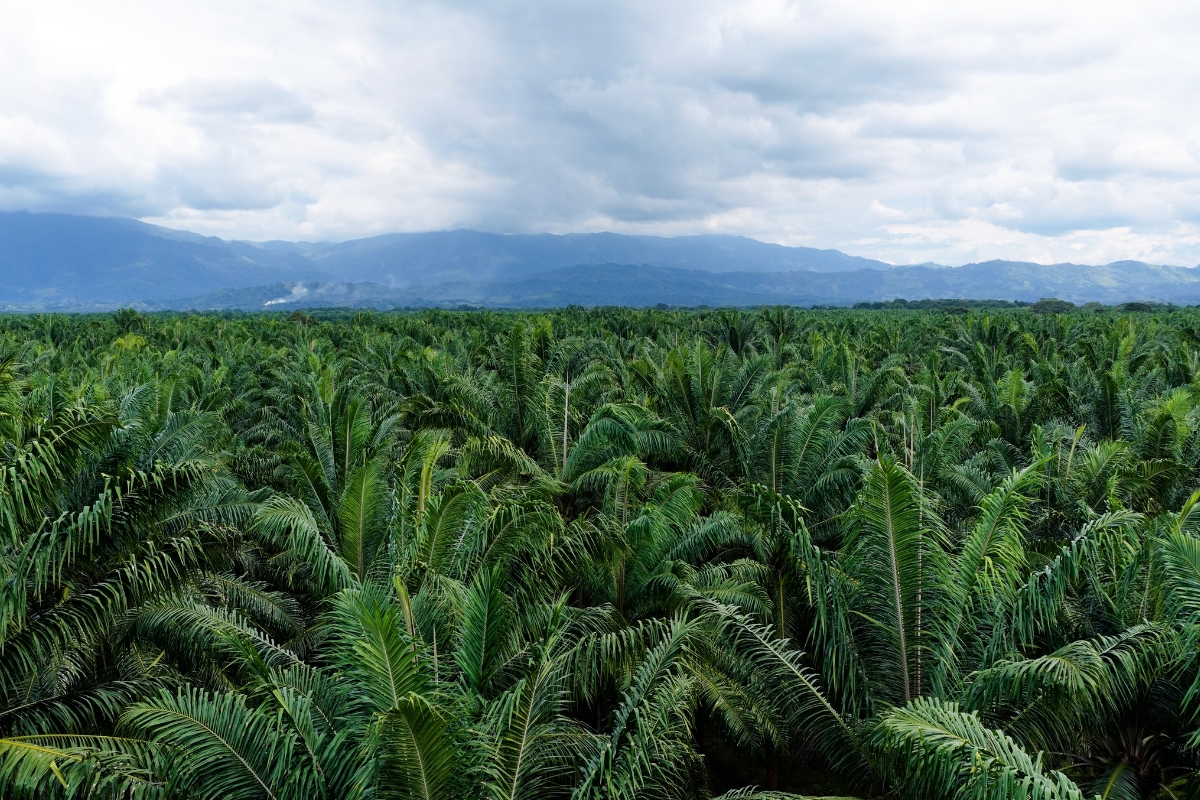
Indian farmers are facing a difficult question in 2026: how can they protect soil and water while keeping farms productive? Regenerative agriculture is gaining attention as one possible answer. The approach focuses on rebuilding soil health, improving water retention, protecting biodiversity and reducing pressure on natural resources. A recent DD India explainer says India needs stronger farming systems because erratic rainfall, heat, dry spells and excessive rain are increasing risks for farmers, especially small and marginal farmers today.
Regenerative agriculture does not mean following one fixed method. It combines practices that improve the condition of the farm over time. These include keeping soil covered, reducing soil disturbance, using crop residues, adding organic matter, integrating livestock and increasing crop diversity. The aim is to make soil better able to hold water and nutrients. That can help farmers deal with dry periods and heavy rainfall while reducing dependence on costly external inputs over the long term.
Why Soil Health Is Becoming More Important
For farmers, the first change can begin with the soil itself. Leaving crop residues on the field, using mulch and planting cover crops can protect the surface from erosion and reduce moisture loss. Green manuring can also add organic matter to the soil. These practices do not require farmers to replace their entire farming system in one season. They can start on a small plot, compare results and expand practices that work under local soil, crop and weather conditions.
Water is another reason regenerative farming is receiving attention. Healthier soil can absorb and hold more water, which becomes important when rainfall arrives in short, intense spells. Micro-irrigation can also reduce water wastage by delivering water closer to plant roots. Regenerative farming combines such methods with soil cover and better organic matter management. The goal is not simply to use less water. It is to make every unit of available water more useful to crops and the farm over time.
Crop diversity can also reduce risk. Farmers who depend on one crop may face a major loss when pests, disease, extreme weather or weak prices affect that crop. Integrated farming systems allow crops to be combined with livestock, horticulture, fisheries, agroforestry or beekeeping. This can spread income across different activities. The recent DD India explainer notes that diversification can reduce the risk of crop failure and create additional livelihood opportunities for farming households in different regions of the country.
Natural Farming Is Part of the Wider Shift
Natural farming can form one part of this wider approach. Farmers can use on-farm preparations such as Beejamrut, Jeevamrut, GhanJeevamrut, Neemastra and Dashparni, along with mulching, mixed cropping and livestock integration. India has also expanded its National Mission on Natural Farming, approved in November 2024 with a total outlay of ₹2,481 crore. More than 18 lakh farmers had adopted natural farming by March 2026, according to recent government-linked reporting.
The shift is also attracting interest from companies and agricultural organisations because supply chains face climate risks. Yashika Singh, PepsiCo India’s Head of Sustainability, said, “Scaling carbon-neutral farming practices is essential to future-proofing our food systems.” She also said policy support, technology, farmer education and public-private cooperation are needed. This shows why regenerative agriculture is moving beyond environmental discussions. Buyers are also looking at how farms can remain productive when weather and resource conditions become less predictable for farmers.
What Farmers Should Consider Before Changing Practices
Farmers should still judge regenerative practices by results on their own fields. A method that works in a dry region may need changes in a high-rainfall area. Farmers should track soil moisture, input costs, crop performance and water use before expanding a new practice. Agricultural universities, Krishi Vigyan Kendras and local extension workers can help farmers choose suitable methods. Starting with one field or one crop can reduce the risk while giving farmers a chance to learn and adjust.
Regenerative agriculture is not a quick solution to every farming problem. It is a way of changing how farmers manage soil, water, crops, animals and farm waste over time. India’s current focus on natural farming, soil health, water conservation and climate resilience gives this approach more attention. For farmers, the practical question is simple: which practice can improve the soil, reduce a major cost or protect the crop from weather stress? Starting with that question can make the shift more useful.