



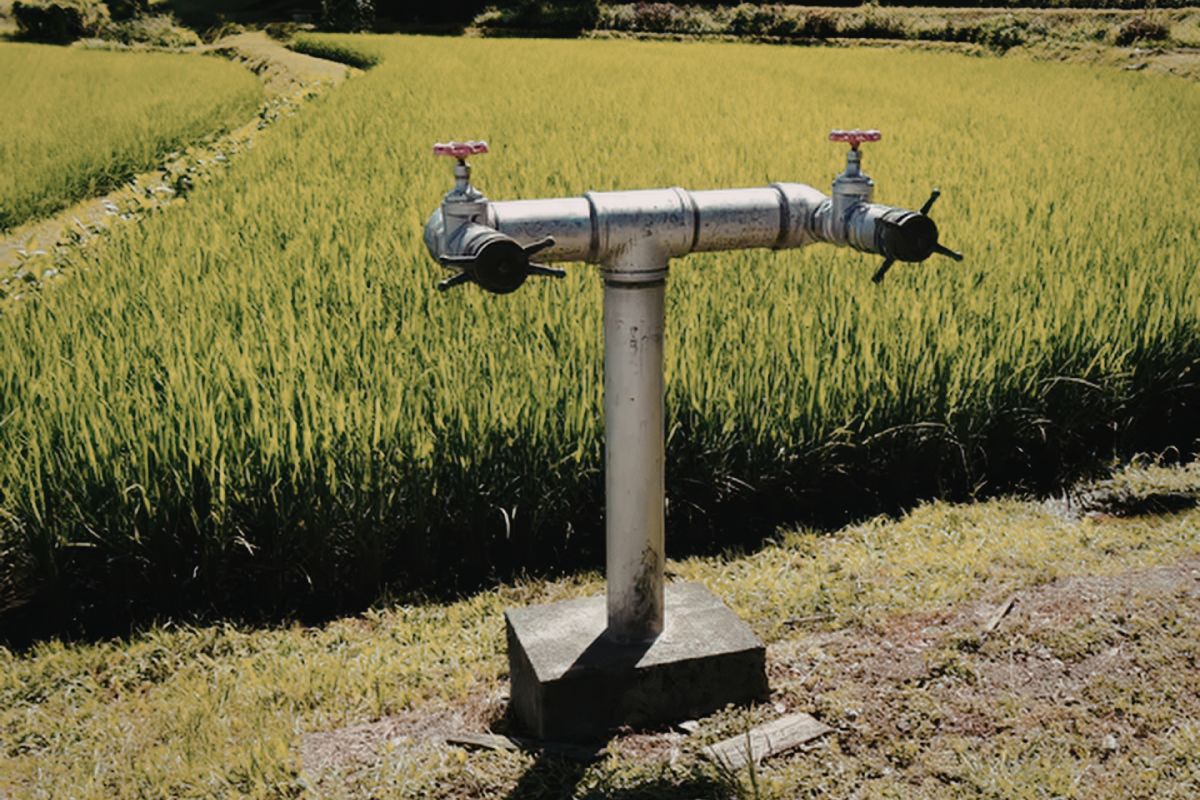
Water management is becoming one of the biggest challenges facing Indian agriculture. Farmers across many states are dealing with declining groundwater levels, irregular rainfall, and rising irrigation costs. Every season brings fresh uncertainty about how much water will be available and when it will be needed.
Traditional irrigation methods often depend on fixed schedules or visual observation.
While experience remains valuable, these approaches sometimes result in overwatering or underwatering. Both situations affect crop performance and increase production costs.
AI-powered irrigation valves are emerging as a new solution.
These systems combine sensors, weather data, soil moisture information, and artificial intelligence to determine when irrigation is required. Water is released automatically based on actual field conditions rather than fixed schedules.
The technology is helping farmers make more efficient use of one of agriculture’s most important resources.
Many irrigation decisions have traditionally relied on observation and experience. Farmers inspect fields, assess soil conditions, and determine when watering is necessary. AI systems add another layer of information by continuously monitoring environmental conditions.
Sensors placed in fields measure soil moisture levels in real time.
The system analyses this information alongside weather forecasts and crop requirements. When moisture falls below target levels, irrigation valves activate automatically.
The approach reduces guesswork.
Water application becomes more precise.
Water Savings Are Driving Interest
Agricultural researchers estimate that significant amounts of irrigation water are often applied unnecessarily.
Excess watering not only wastes water but can also increase nutrient losses and raise pumping costs. AI-controlled systems help address this problem by applying water only when required.
Farmers using smart irrigation technologies frequently report reductions in water consumption.
The exact savings vary depending on crop type, climate, and management practices, but improved efficiency remains one of the main benefits.
Water conservation is becoming increasingly important.
The technology directly supports this goal.
Irrigation expenses involve more than water alone. Pumping systems require electricity or fuel, making energy costs a major component of farm expenditure. When irrigation becomes more efficient, energy consumption often declines as well.
AI-controlled systems help optimise pump operation by reducing unnecessary watering cycles.
Lower energy use improves profitability while reducing pressure on resources. Farmers appreciate technologies that save both water and money. The economic benefits strengthen adoption.
Efficiency creates multiple advantages.
Suitable for Multiple Crops
Smart irrigation systems are being used across a wide range of agricultural enterprises. Vegetables, fruits, cotton, sugarcane, spices, and horticultural crops are among the sectors exploring automated irrigation technologies. The systems are particularly useful where water availability is limited.
Researchers continue developing crop-specific recommendations that improve performance under different conditions. The flexibility of the technology contributes to its appeal. Farmers can adapt systems to local needs.
Different crops require different irrigation strategies.
Changing weather patterns are making irrigation management more complex. Rainfall variability, heat waves, and prolonged dry periods create uncertainty about crop water requirements. Technologies capable of responding quickly to changing conditions are attracting greater attention. AI-powered irrigation systems help farmers adjust more effectively.
Instead of relying solely on historical patterns, decisions can be based on current field conditions and updated forecasts.
Climate adaptation is becoming a major driver of adoption. The need for precision continues to grow.
Future of Water Management
Agriculture consumes a large share of available freshwater resources.
Improving irrigation efficiency is therefore one of the most important challenges facing the sector. AI-powered valves represent a significant step toward more intelligent water management.
The systems reduce waste, lower costs, and support better crop performance through data-driven decision-making.
As technology becomes more accessible, adoption is expected to expand across diverse farming regions.
For farmers, the value is straightforward.
Applying the right amount of water at the right time can improve both productivity and sustainability. In a future where water becomes increasingly precious, that capability may prove invaluable.
Also Read: Punarnava Jal – The world’s first organic fertilizer! Know how it is beneficial for farmers?
Contact us – If farmers want to share any valuable information or experiences related to farming, they can connect with us via phone or whatsapp at 9599273766 or you can write to us at “kisanofindia.mail@gmail.com”. Through Kisan of India, we will convey your message to the people, because we believe that if the farmers are advanced then the country is happy.
You can connect with Kisan of India on Facebook, Twitter, and Whatsapp and Subscribe to our YouTube channel.